
Neural Modulation

Our lab explores electrical neuromodulation: a collection of therapies in which electrical stimulation modulates neural tissue activity to alleviate neurological symptoms. While some of these therapies are performed non-invasively, others require chronic implantation of an electrical stimulator -- over a million people are living with embedded electric circuits that regularly stimulate their brain or spinal cord! Though these interventions work quite well in some patients, clinicians and scientists have a very incomplete picture of how or in whom they will alleviate symptoms. We aim to improve and expand these therapies by identifying optimal anatomical targets, understanding their behavioral and physiological responses, leveraging neural feedback to assess their efficacy, and building devices to make neuromodulation less invasive and more therapeutic for a wider range of neurological conditions.
Our lab sits at the intersection of basic neuroscience and neuroengineering. Through experimental, clinical, and computational work, we aim to decode brain signals, and to interpret the differences beween neural information processing between default and disordered conditions. We seek to leverage this understanding to develop devices and approaches to modulate neural activity to treat neurological disorders.
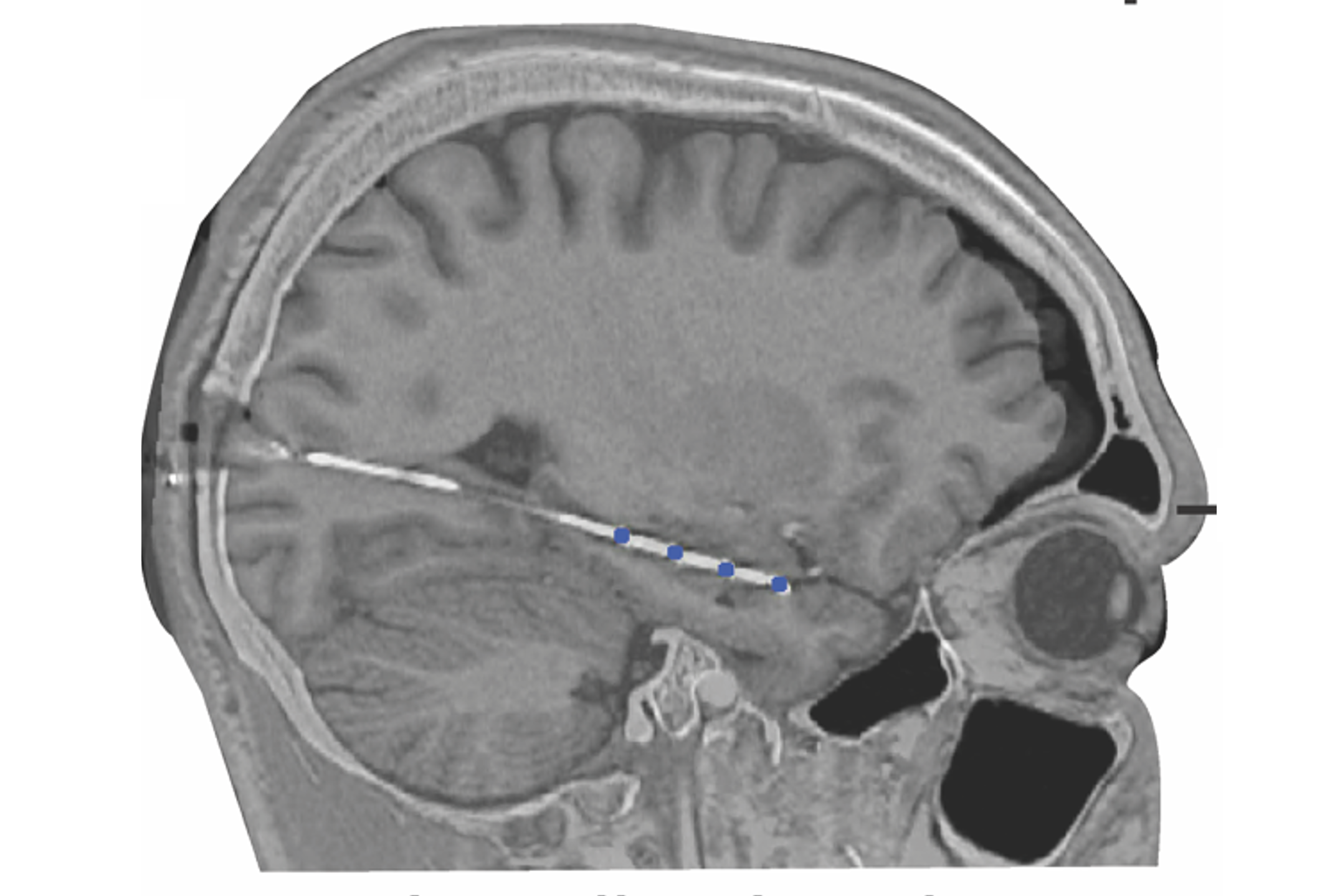
Clinically Invasive Neuromodulation
Existing FDA-approved neuromodulatory interventions use electrical brain implants that modulate neural activity to alleviate symptoms. We work to understand and improve these therapies for and in human patients, with experimental efforts in living and computational model systems.
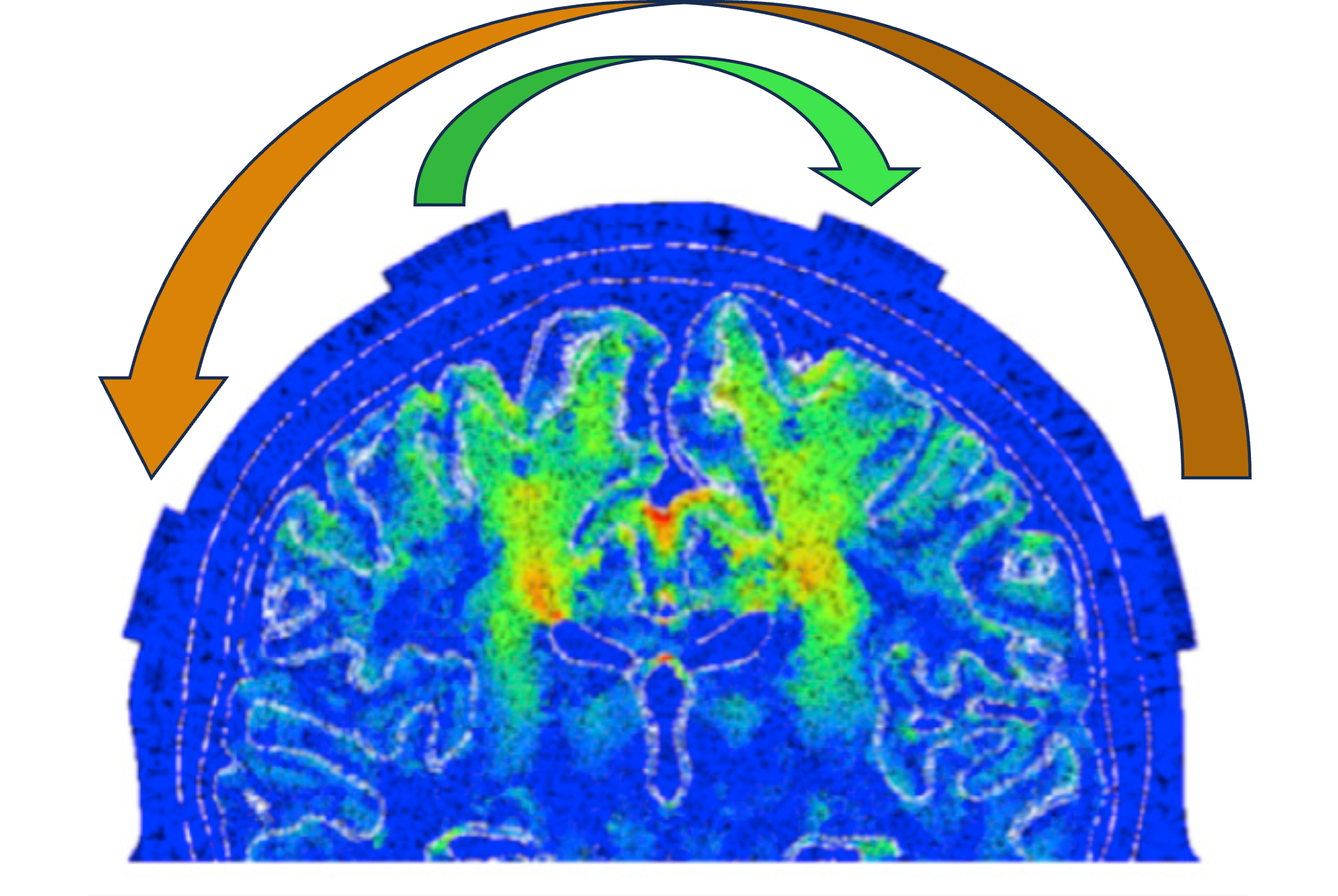
Next Generation Neural Interfacing
Future neural interfaces will include minimally-invasive and bidirectional systems. We are helping to develop implants, wearables, and remote devices that leverage computational models and real-time human-to-device communication to enable brain-based control and alleviate neurological symptoms.
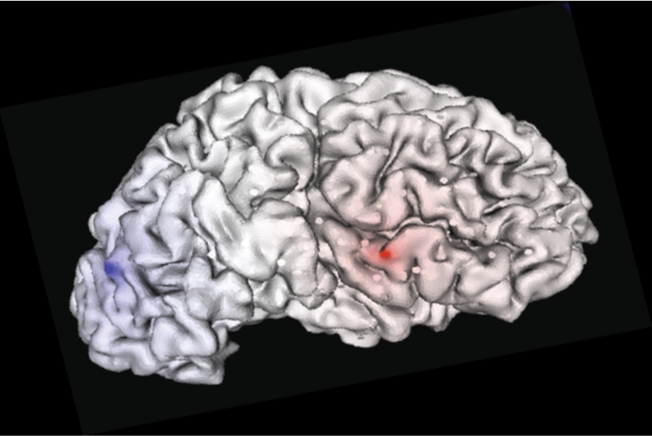
Neurological Disorders & Physiology
Brain physiology changes during disease progression and therapy. We work to identify biomarkers and drivers of neural symptoms, to provide a mechanistic foundation for improving therapeutic outcomes across neurological conditions, including Parkinson's disease and others.