Parkinsonian Symptoms, and with Deep Brain Stimulation
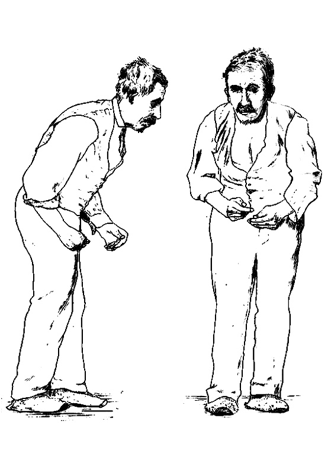
We aim to characterize how neurological dysfunction manifests across parkinsonian symptom domains, and how those symptoms are modulated by deep brain stimulation. While DBS is highly effective at alleviating motor deficits like tremor, its impact on non-motor and complex motor behaviors remains poorly understood. We employ behavioral assays to evaluate how both the disease state and stimulation parameters influence motivation and speech production. By quantifying these effects in parkinsonian models, we have identified critical trade-offs in therapy, such as the potential for subthalamic stimulation to dysregulate behavioral motivation or worsen hypokinetic dysarthria. Further, we investigate the specific temporal features of electrical stimuli that dictate therapeutic efficacy across symptoms. This comprehensive approach to symptom assessment ensures that our refinements to DBS technology are informed by a holistic understanding of patient quality of life.
Parkinsonian Neurophysiology, and with Deep Brain Stimulation
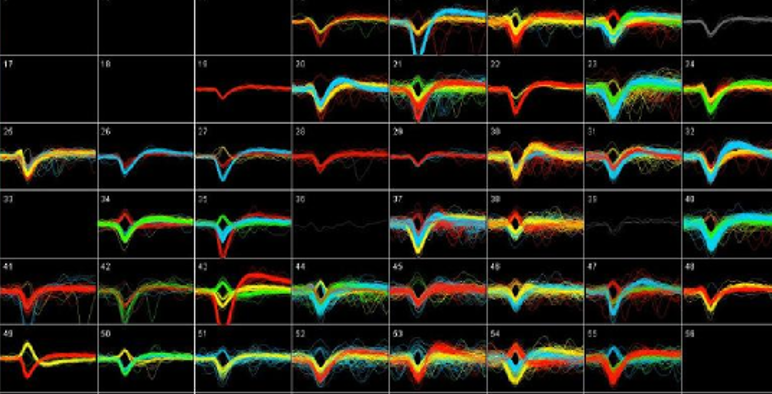
We delve into the underlying neural dynamics that define the parkinsonian state and the physiological mechanisms by which deep brain stimulation restores function. We investigate how pathological oscillations and irregular firing patterns within the basal ganglia and cortex disrupt the efficient signal transmission throughout motor circuits. By employing a combination of patient-specific computational modeling and in vivo recordings, we have demonstrated that DBS does not simply suppress neural activity, but rather regularizes it, thereby improving the fidelity of thalamic relay and stabilizing circuit-wide communication. Further, we explore the physiological correlates of specific motor improvements to better understand the link between neural signals and behavioral outcomes. We have shown that while the disease state can decouple cortical beta power from functional measures like gait speed, therapeutic stimulation can restore these vital correlations. By isolating specific stimulus features that drive these physiological shifts, we aim to design next-generation neural interfaces that precisely target the neural signatures of disease.
Non-Parkinsonian Neurological Disorders
Beyond our primary focus on Parkinson’s disease, we extend our computational and physiological frameworks to investigate alternative neurological conditions and the therapeutic mechanisms of diverse neuromodulatory interventions. We evaluate how specialized neural targets—such as responsive neurostimulation (RNS) systems for mesial temporal lobe epilepsy or deep cerebellar stimulation for spinocerebellar ataxia—reorganize network-wide dynamics to control symptoms. By applying macro-level patient-specific structural connectivity analysis alongside micro-level signal processing of local field potentials, we seek to understand why clinical outcomes vary across individuals and how closed-loop, adaptive technologies can be optimized. Our collaborative approach bridges patient-specific anatomical modeling with the quantification of long-term neurophysiological biomarkers.